
How to Spot Hearing Aid Scams

Hearing aids are expensive, and that makes the people who need them a target. Scammers know this, and some of their tactics are convincing enough to fool careful, savvy shoppers. If you're in Suffolk County and shopping for hearing aids, here's what to watch out for before you spend a dime.
Mail-Order Devices Won't Cut It
You've probably seen the ads: take a quick online "hearing test," pick a device, enter your credit card. Simple, right?
Not really. Hearing loss isn't just about volume. It's about which sound frequencies you're missing, how well you follow conversation in a noisy room, and what your daily life actually demands. None of that can be figured out from a website. A mail-order device ships in a box with no calibration, no adjustments, and no one in your corner if something feels off.
Legitimate hearing care happens in person with a licensed audiologist who examines your ears, runs real diagnostic tests, and confirms that what you're wearing is actually helping. A device that isn't fitted to you isn't just a waste of money; it can even make things worse.
Watch Out for High-Pressure Sales Tactics
Some sellers give you a few days or even a few minutes in the office to decide whether to keep a hearing aid. That's not a trial. That's pressure.
Think about what you'd actually need to test it: wearing it at dinner, at the grocery store, in the car, on the phone, watching TV. Three days doesn't cover that. Any seller who rushes your decision or charges extra for more time isn't looking out for you.
At Port Jefferson Hearing, our trial has no financial obligation. You take the hearing aids home, wear them at work and in the real world, allowing you the appropriate time to test them in your day to day activities. That's the only honest way to know if a device fits your life.
Promotions That Don't Add Up
"Buy one, get one free." "90% off retail." "Free gift card with purchase."
These deals are almost always manufactured. The "retail price" being discounted from is often made up. The free pair is typically a lower-quality device bundled to move a pricier one. The gift card is just a purchasing incentive with a friendly disguise.
Hearing aids are medical devices. No manufacturer gives them away. When you see a promotion that sounds too good, ask what's being traded and who actually benefits from the deal.
Door-to-Door Sales and Free Seminar Events
This one catches a lot of people off guard. A traveling salesperson shows up at the door claiming to represent a manufacturer, or a "free hearing seminar" gets advertised at a local senior center.
These are high-pressure environments designed to get you to commit before you've had time to think, research, or talk it over with someone you trust. No legitimate audiologist practices door-to-door. If someone's selling hearing aids at your home or over a free lunch, walk away.
The Classic Bait-and-Switch
Some ads promise free or deeply discounted hearing aids. Once you're in the office, the story changes because they might claim your hearing loss is too severe for the free model, and suddenly you're being steered toward something much more expensive.
This is a textbook bait-and-switch. The product in the ad usually doesn't exist. It's just there to get you through the door.
Red Flags to Check Before You Buy
Before committing to any hearing aid provider, run through this list:
- No mention of Real Ear Measurement during the fitting (this is how audiologists verify a device is calibrated correctly for your ears)
- You can't meet the audiologist before purchasing
- Trial period is less than 30 days
- Pricing isn't transparent or itemized
- You're only offered one brand with no explanation
- No follow-up care is included after the fitting
- High-interest financing is buried in the paperwork
- One of these is a yellow flag. Several of them together? That's your sign to leave.
What Honest Hearing Care Looks Like
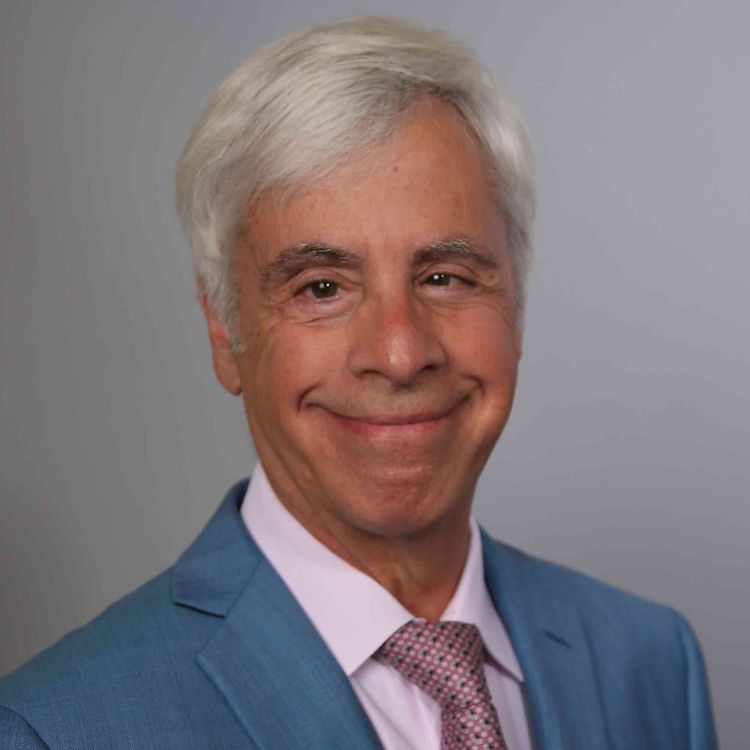
Dr. John Martinetti has been providing board-certified audiology care at Port Jefferson Hearing since 1984. He holds a Doctor of Audiology degree from Salus University, is a Fellow of the American Academy of Audiology, and holds dual certification in Audiology and Speech-Language Pathology. Those credentials represent a real legal and ethical obligation to meet rigorous care standards, and they are not just impressive letters after a name.
Every patient starts with a comprehensive hearing evaluation before any device is discussed. We fit ReSound, Signia, and Oticon rather than a single brand because the right hearing aid depends on you, not on a manufacturer contract. Every fitting includes follow-up care, so you're never on your own after you leave.
If you're a Suffolk County resident and want a no-pressure consultation with an audiologist who's been doing this for 40 years, call us at 631-331-1888. We're at Davis Professional Park, 5225 Nesconset Hwy, Port Jefferson Station. We are proud to provide our community attentive hearing healthcare with integrity.
Discover Our Latest Blogs
Stay informed with our insightful blog posts.
Why Your Child's Hearing Belongs on the Back-to-School Checklist
Hearing Loss at Work: Your Rights Under New York Law
How to Spot Hearing Aid Scams

Hearing Aid Trials With No Financial Obligation
At Port Jefferson Hearing we believe the only way to know which hearing aid is right for you is to experience the benefits in your day-to-day life. That is why we created a hassle-free, no pressure process that truly puts you in the drivers seat.
