
Hearing Loss at Work: Your Rights Under New York Law
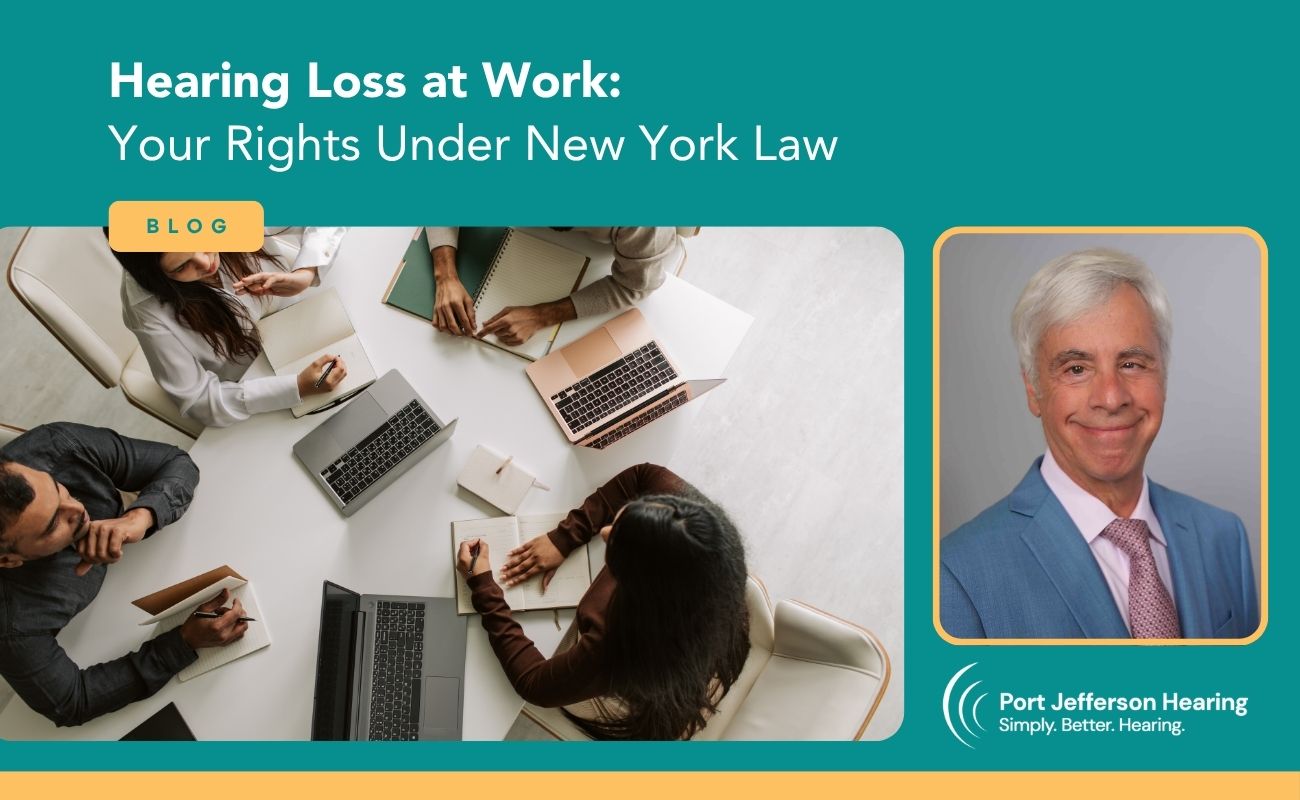
Most people with hearing loss spend more time researching hearing aids than looking into what their employer is actually required to do for them. That's understandable, but if you're struggling to follow meetings, missing announcements, or constantly asking coworkers to repeat themselves, you may be leaving real legal protections on the table.
Here's what New York workers should know.
Federal and State Law Both Protect You
The Americans with Disabilities Act requires employers with 15 or more employees to provide reasonable accommodations for workers with hearing loss. That might mean captioning on video calls, written agendas before meetings, assistive listening devices, or a quieter workspace.
"Reasonable" doesn't mean unlimited. An accommodation becomes unreasonable if it creates significant expense or disruption for the employer. In practice, most hearing-related accommodations are low-cost, and employers often cooperate when asked directly.
New York State goes further. The New York State Human Rights Law covers employers with just four or more employees, pulling in smaller businesses that fall outside the ADA. If you work in New York City, the NYC Human Rights Law offers even broader protections and tends to be interpreted more favorably for employees.
How to Request an Accommodation
The process is simpler than most people expect. You notify your employer that you have a condition affecting your ability to do your job, and they're required to work with you in good faith to find a solution. This back-and-forth is called the interactive process, and it's legally required rather than optional.
You don't need a formal diagnosis in most cases. What matters is that you've made your needs clear and given your employer a chance to respond. Having documentation of your hearing, such as results from a comprehensive hearing evaluation, can strengthen your request and make the conversation more concrete.
What Accommodations Actually Look Like
People often assume accommodations mean expensive equipment or complicated workflow changes. They almost never do. Common requests for hearing loss include:
- Real-time captioning on video calls (most platforms now include this built-in)
- Written follow-ups after meetings or verbal instructions
- Preferential seating so you're closer to speakers in meetings
- FM systems or hearing loops in conference rooms
- Quieter workspace or reduced background noise
- Email or messaging instead of phone calls
The right accommodation depends on your job, your environment, and your specific hearing profile. There's no one-size-fits-all answer, which is why a conversation with your employer and a clear picture of your own hearing both matter.
What to Do If Your Employer Refuses
An outright refusal, without any genuine effort to find an alternative, isn't just frustrating; it may be illegal. You have real options.
You can file a complaint with the Equal Employment Opportunity Commission (EEOC) at the federal level, or with the New York State Division of Human Rights. NYC workers can also go through the NYC Commission on Human Rights. These agencies investigate complaints at no cost, and many cases are resolved without ever going to court.
One practical step: keep a record of your accommodation requests. Note the dates, what you asked for, and how your employer responded. If you ever need to escalate, that paper trail matters more than you'd think.
The Hidden Cost of Waiting
The longer hearing loss goes unaddressed, the harder it gets to manage at work, and the toll isn't always obvious. Examples include mishearing a client, missing a key detail in a presentation, or the mental exhaustion of concentrating through every conversation all day long.
Many patients tell us they didn't realize how much energy they were spending just to keep up until they weren't spending it anymore. Better hearing and workplace accommodations aren't an either/or choice because they work together. Accommodations remove barriers your environment creates, while properly fitted hearing aids reduce the effort your brain has to put in.
Modern devices from brands like Signia, ReSound, and Oticon are designed specifically for challenging listening situations including background noise, large rooms, and phone calls. They're a far cry from what hearing aids were even ten years ago.
Start with a Hearing Evaluation at Port Jefferson
Hearing loss doesn't always announce itself clearly. For many people, it's a slow shift over years. By the time it starts affecting your job performance, you've already been quietly adapting for a while without realizing it.
Dr. John Martinetti has been helping Long Island patients hear better for over 40 years. A comprehensive hearing evaluation takes about an hour and gives you real, specific answers about what you're experiencing. That information is valuable whether you're considering hearing aids, planning an accommodation request, or just trying to understand what's going on.
Call us at 631-331-1888 or reach out through our website. We're located at Davis Professional Park in Port Jefferson Station, serving patients throughout Suffolk County including Port Jefferson, Stony Brook, and surrounding communities.

Discover Our Latest Blogs
Stay informed with our insightful blog posts.
Why Your Child's Hearing Belongs on the Back-to-School Checklist
Hearing Loss at Work: Your Rights Under New York Law

How to Spot Hearing Aid Scams

Hearing Aid Trials With No Financial Obligation
At Port Jefferson Hearing we believe the only way to know which hearing aid is right for you is to experience the benefits in your day-to-day life. That is why we created a hassle-free, no pressure process that truly puts you in the drivers seat.
