
Hearing Loss and Falls — What You Should Know
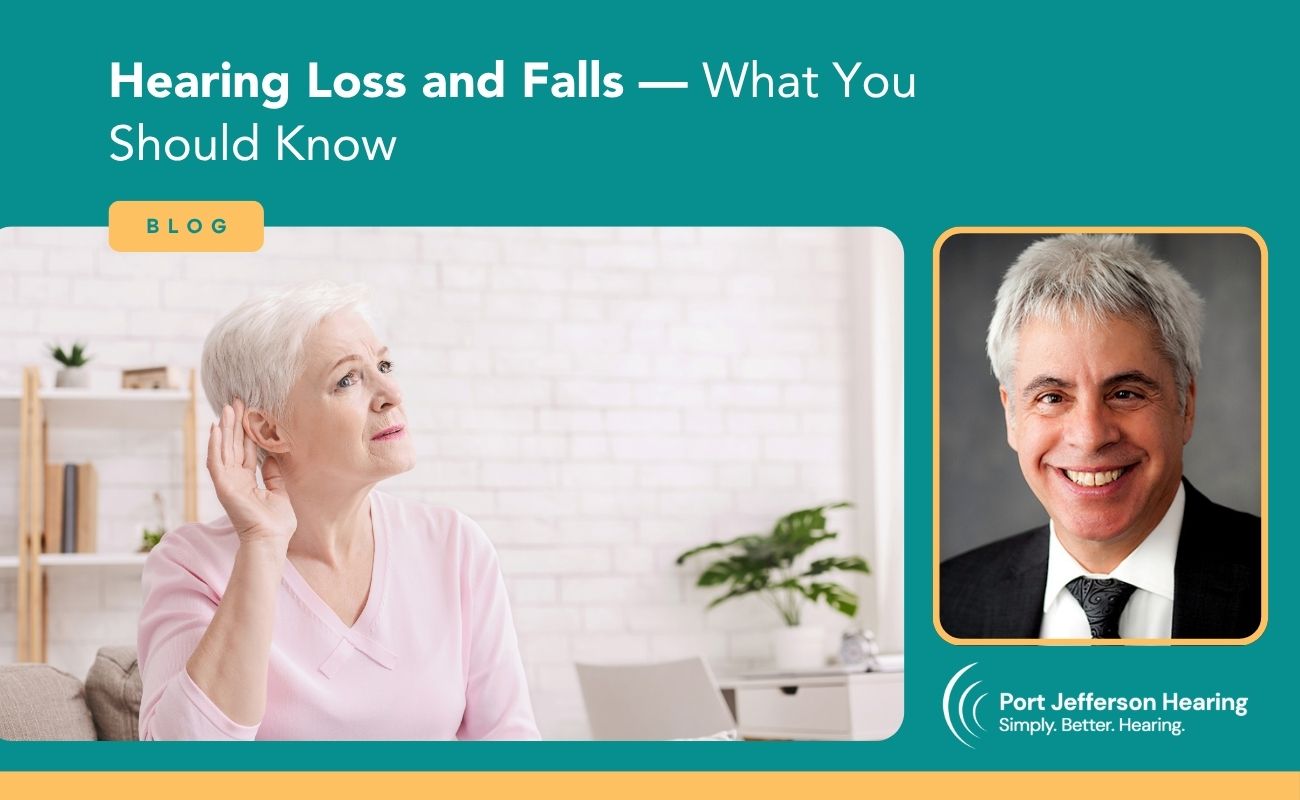
Falls are the leading cause of injury-related ER visits for older adults in New York — and Suffolk County alone sees more than 39,000 of those visits every year. Most people assume falls come down to things like slippery floors or weak legs. What they don't realize is that untreated hearing loss is one of the biggest contributing factors, and it's one that almost always gets overlooked.
Why Your Ears Affect Your Balance
Your inner ear does two jobs at once. It processes sound, yes — but it also houses the system that controls your balance and sense of where your body is in space. When hearing loss develops, especially the gradual kind that comes with age, it often disrupts both functions at the same time.
Research published in JAMA Internal Medicine found that even mild hearing loss tripled the risk of accidental falls. Here's why: when your brain receives incomplete sound information, it works harder just to make sense of what you're hearing. That extra mental effort comes at a cost. There's less brainpower left over for tracking your balance, your position, and what's happening around you. It's not a dramatic failure — it's a slow, quiet drain on resources your body needs to stay steady.
What It Actually Feels Like
Hearing-related balance problems don't usually announce themselves with a big fall. More often, you notice smaller things first. You hesitate at the top of a staircase. You misjudge a curb. You feel slightly "off" in crowded places like grocery stores or busy restaurants, where there's a lot of sound to sort through.
There's also a situational awareness piece that's easy to underestimate. Your hearing gives your brain a constant stream of cues — footsteps nearby, a car pulling out of a parking space, someone calling your name. When that input fades, your brain loses information it normally uses to orient your body. Over time, that gap adds up.
Hearing Aids Can Reduce Your Fall Risk
Most people think of hearing aids as tools for following conversations more easily. That's true, but it's not the whole story. Studies show that consistent hearing aid use is associated with a meaningful reduction in fall risk among older adults — and that finding tends to surprise people.
Some of the benefit is direct: when your brain gets better sound input, it doesn't have to work as hard to process it. That frees up mental resources for balance and coordination. Some of it is indirect. People who treat their hearing loss tend to stay more socially active and physically engaged, which keeps them stronger and steadier over time. Both matter.
What a Hearing Evaluation Actually Involves
If you've been putting off a hearing test, you're not alone. Most people with significant hearing loss have been living with it for years before they seek help — the change is gradual enough that it starts to feel normal. The problem is that the fall risk builds right alongside the hearing loss, quietly, whether you notice it or not.
At Port Jefferson Hearing, Dr. John Martinetti has been evaluating and treating hearing loss since 1984. He's board certified in audiology and holds dual certifications in both audiology and speech-language pathology, which gives him a broader clinical perspective than most hearing providers bring to an appointment.
A full evaluation here goes well beyond a basic tone test. Dr. Martinetti looks at how clearly you process speech, how well you hear in noisy environments, and the complete picture of your hearing health. That full picture shapes everything — what type of hearing aid fits your needs, which features will actually help in your daily life, and whether anything warrants a follow-up with your doctor.
When to Make the Call
If you've had a recent fall — or if someone you care about has — hearing loss deserves a spot on the checklist. Same goes if you've noticed yourself feeling unsteady in loud or busy places, or if people have mentioned that you're turning the TV up too loud or missing parts of conversations.
You don't need to wait for things to get worse. A hearing evaluation is a straightforward, low-stakes appointment that gives you real answers. There's no pressure and no sales pitch — just an honest assessment, a clear explanation of your results, and practical guidance on what to do next.
We serve patients throughout Suffolk County from our office at Davis Professional Park in Port Jefferson Station. Call us at 631-331-1888 to schedule an appointment with Dr. Martinetti. Getting your hearing checked is one of the simplest things you can do to protect your balance, your independence, and your safety going forward.

Discover Our Latest Blogs
Stay informed with our insightful blog posts.
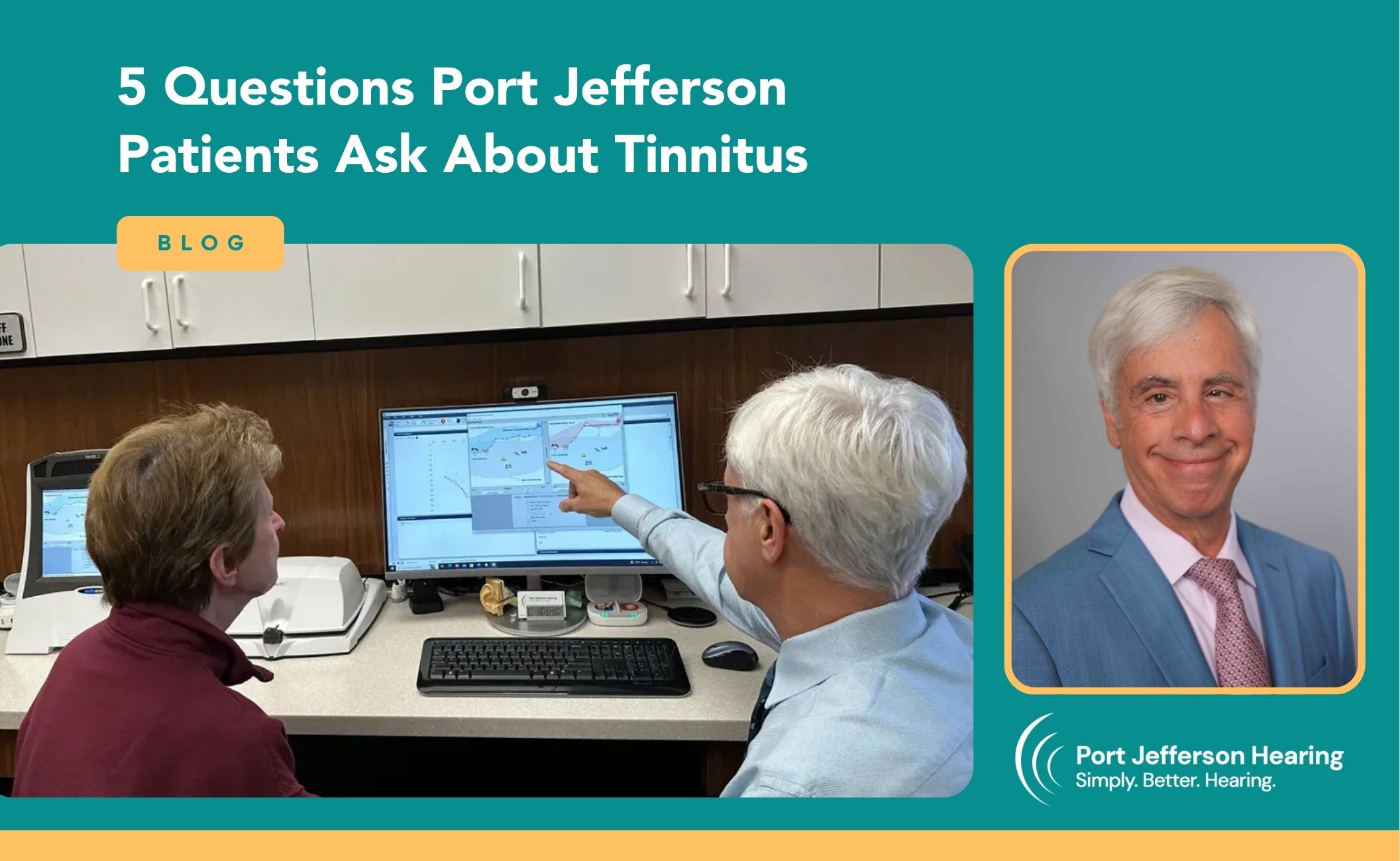
5 Questions Port Jefferson Patients Ask About Tinnitus
Ringing Got Worse This Summer? A Real Treatment Plan for Tinnitus
Why Your Child's Hearing Belongs on the Back-to-School Checklist

Hearing Aid Trials With No Financial Obligation
At Port Jefferson Hearing we believe the only way to know which hearing aid is right for you is to experience the benefits in your day-to-day life. That is why we created a hassle-free, no pressure process that truly puts you in the drivers seat.
