
What to Expect During Your First Month With New Hearing Aids
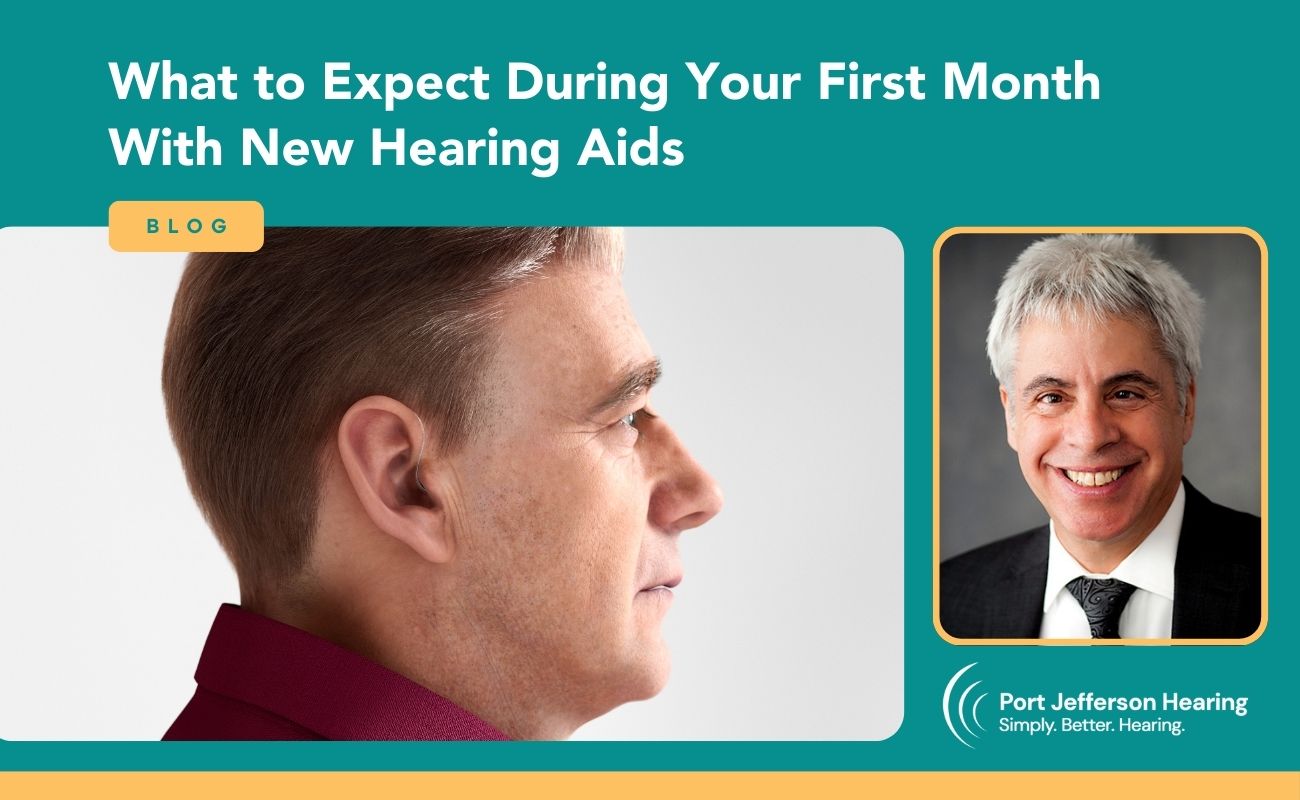
The first month with new hearing aids is an adjustment period where your brain relearns how to process sounds. Most users need 2-4 weeks to feel comfortable, with noticeable improvements happening week by week as your auditory system adapts to amplified sound.
Understanding what's normal during this transition helps you stay patient and motivated. Here's what happens during your adjustment period and when to reach out for help.
Week One: Everything Sounds Different
Your first week will feel overwhelming. Sounds you haven't heard in years suddenly return—the refrigerator hum, keyboard clicks, rustling papers, even your own footsteps. This is completely normal and indicates your hearing aids are working correctly.
Your own voice may sound strange, often described as echoing or hollow. This "occlusion effect" happens because your ear canals are now partially blocked. Most people adapt within 7-10 days as their brain adjusts.
Common first-week experiences:
- Environmental sounds seem too loud
- Voices may sound tinny or mechanical
- Background noise feels distracting
- Fatigue from processing more auditory information
Start by wearing your hearing aids for 3-4 hours daily in quiet environments like your home. Gradually increase wearing time as comfort improves. Avoid jumping into challenging situations like crowded restaurants during your first week.
Week Two: Building Tolerance
By week two, you should manage 6-8 hours of daily wear. Your brain starts distinguishing between important sounds (speech) and background noise more effectively. The sounds that seemed overwhelming last week now feel more manageable.
This is when many users notice improved speech clarity, particularly in one-on-one conversations. However, noisy environments will still present challenges. Your hearing aids need fine-tuning, and your brain needs more practice processing complex soundscapes.
Schedule your first follow-up appointment during this period. At Port Jefferson Hearing, we use Real Ear Measurement to verify your hearing aids deliver appropriate amplification for your specific hearing loss, making adjustments based on your initial experiences.
Week Three: Finding Your Rhythm
Week three brings noticeable confidence. You'll likely wear your hearing aids for most waking hours without thinking about them. Speech understanding improves significantly, and you'll start engaging more naturally in conversations.
Your brain's auditory pathways are strengthening, making sound processing feel less effortful. You might notice:
- Reduced listening fatigue
- Better performance in group settings
- More natural sound quality
- Increased awareness of environmental details
This is an excellent time to test your hearing aids in previously difficult situations—family gatherings, restaurants, or outdoor activities. Take notes about specific challenges so we can address them during adjustments.
Week Four: Settling Into Success
By month's end, your hearing aids should feel like a natural extension of your senses. Most users report feeling confident in various listening situations and wonder how they managed without amplification.
You'll still face challenges in extremely noisy environments—this is normal even for people with perfect hearing. The key difference is that you now have tools and strategies for managing these situations.
Common Challenges and Solutions
Background Noise Feels Overwhelming
Your brain hasn't heard these sounds in years. Give it time to relearn what to ignore. Start in quiet spaces and gradually expose yourself to noisier environments. If noise remains problematic after three weeks, contact us for programming adjustments.
Feedback or Whistling Sounds
Occasional whistling when hugging someone or wearing hats is normal. Persistent feedback indicates an improper fit or programming issue. Call us immediately—this should never be an ongoing problem.
Discomfort or Soreness
Mild awareness of hearing aids is expected initially. However, pain, pressure points, or irritation require immediate attention. We can adjust the physical fit or try different dome sizes to improve comfort.
Difficulty Understanding Speech in Noise
This improves gradually but represents the most persistent challenge. Speech-in-noise performance develops over several months as your brain adapts. Consider pairing hearing aids with communication strategies like positioning yourself optimally and asking speakers to face you.
When to Call for Adjustments
Contact Port Jefferson Hearing if you experience:
- Pain or persistent discomfort after the first few days
- Continuous whistling or feedback
- Sounds that remain uncomfortably loud after two weeks
- No improvement in speech understanding after three weeks
- Physical irritation or skin problems
- Dead batteries or technical malfunctions
We encourage regular communication during your adjustment period. Minor programming tweaks can dramatically improve your experience.
The Test Drive Advantage
At Port Jefferson Hearing, we believe trying hearing aids in real-world situations provides the only accurate assessment of performance. Our test drive program allows you to experience hearing aids during your daily activities before committing to purchasing the devices.
This approach recognizes that hearing aid success depends on individual needs, preferences, and lifestyle demands. You might discover that certain features matter more than you anticipated, or that specific environments require additional adjustments.
During your test drive, pay attention to:
- Conversations with family and friends
- Television and phone use
- Meetings or social gatherings
- Outdoor activities
- Music listening
- Your workplace environment
This information guides our recommendations and ensures you invest in technology that genuinely improves your quality of life.
Supporting Your Adjustment
Your success depends partly on realistic expectations. Hearing aids restore access to sound but don't return hearing to normal. They require patience, practice, and sometimes multiple adjustments to achieve optimal performance.
Auditory training exercises accelerate adaptation. Simple activities like listening to audiobooks, practicing conversations in gradually noisier settings, and actively identifying different sounds help your brain relearn auditory processing skills.
Stay positive during setbacks. Some days will feel easier than others as your brain adapts. Consistency matters more than perfection—wear your hearing aids daily, even when tempted to remove them during challenging moments.
Begin Your Hearing Journey With Confidence
Understanding the adjustment timeline helps set realistic expectations for your first month with hearing aids. Most challenges resolve naturally as your brain adapts, while others require simple adjustments we can make together.
Dr. John Martinetti and our team at Port Jefferson Hearing provide comprehensive support throughout your adjustment period. We use evidence-based practices, including Real Ear Measurement, to verify appropriate amplification and make precise adjustments based on your experiences.
Ready to experience better hearing? Call us at 631-331-1888 to schedule your consultation. Our test drive program lets you discover how hearing aids improve your daily life before making any financial commitment. Located at 5225 Nesconset Hwy Building #3, Suite #10, Port Jefferson Station, NY 11776, we serve patients throughout Suffolk County with personalized care that extends well beyond your first fitting appointment.

Discover Our Latest Blogs
Stay informed with our insightful blog posts.

Why Your Child's Hearing Belongs on the Back-to-School Checklist

Hearing Loss at Work: Your Rights Under New York Law

How to Spot Hearing Aid Scams

Hearing Aid Trials With No Financial Obligation
At Port Jefferson Hearing we believe the only way to know which hearing aid is right for you is to experience the benefits in your day-to-day life. That is why we created a hassle-free, no pressure process that truly puts you in the drivers seat.
