
Why Your Medications Might Be Affecting Your Hearing and What to Ask Your Doctor
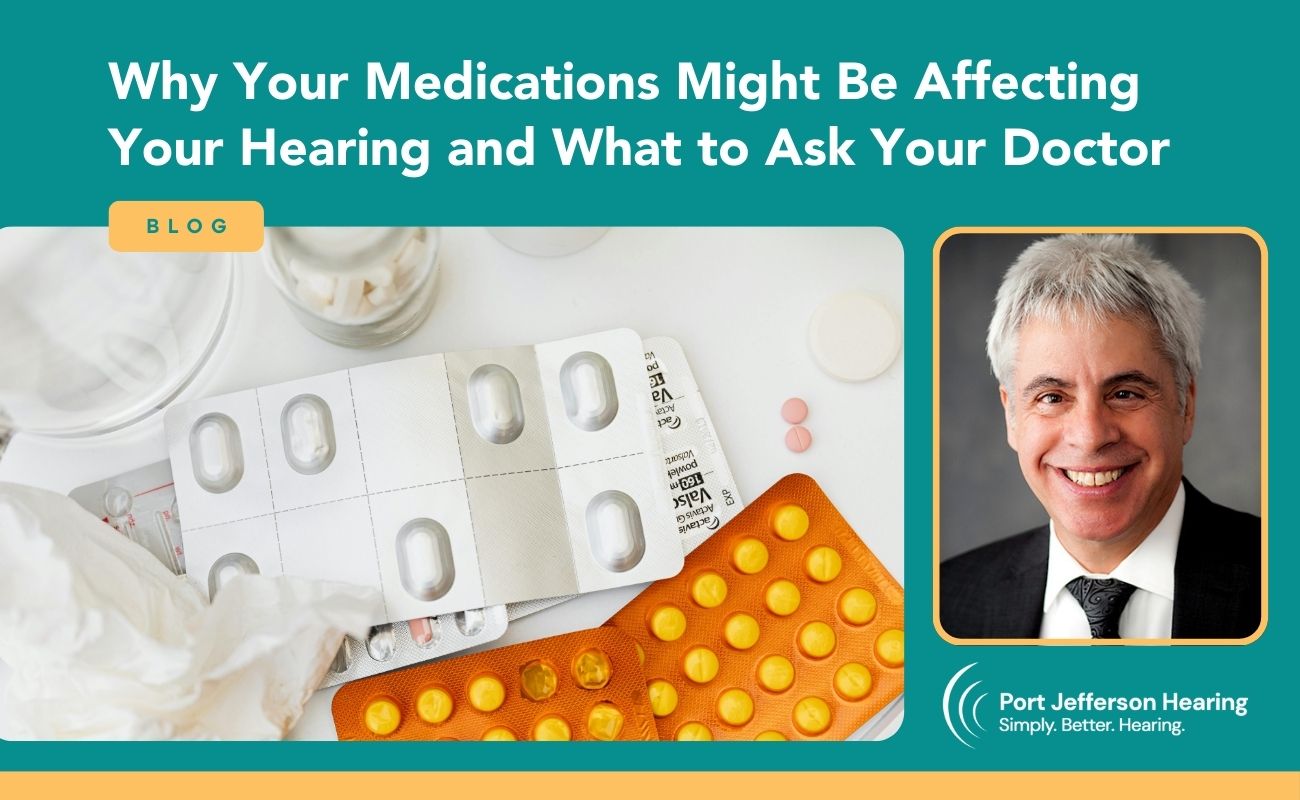
Over 200 commonly prescribed medications can damage your hearing, yet most patients never receive a warning from their doctor or pharmacist. If you've noticed ringing in your ears, muffled sounds, or difficulty understanding speech after starting a new medication, you're not imagining things—your prescription might be the cause.
What Are Ototoxic Medications?
Ototoxic medications are drugs that can damage the inner ear, affecting both hearing and balance. The term comes from "oto" (ear) and "toxic" (poisonous). These medications can harm the delicate hair cells in your cochlea that transmit sound signals to your brain, or damage the vestibular system that controls balance.
The damage can be temporary or permanent, depending on the medication, dosage, and duration of use. Some people experience symptoms immediately, while others notice changes months after starting treatment.
Common Medications That Can Affect Your Hearing
Antibiotics
Certain antibiotics, particularly aminoglycosides like gentamicin and tobramycin, pose the highest risk. These are typically used for serious infections and administered intravenously in hospital settings. Oral antibiotics like erythromycin and vancomycin can also cause hearing problems, especially at high doses.
Loop Diuretics
Loop diuretics such as furosemide (Lasix), bumetanide, and torsemide treat fluid retention and high blood pressure. When given intravenously at high doses, they can temporarily or permanently damage hearing. The risk increases when combined with aminoglycoside antibiotics.
Chemotherapy Drugs
Platinum-based chemotherapy agents like cisplatin and carboplatin are known to cause hearing loss in up to 60% of patients. Cancer survivors, particularly those treated as children, often experience long-term hearing difficulties that may worsen over time.
Pain Medications
High doses of aspirin (typically 8-12 pills daily) and other salicylates can cause temporary tinnitus and hearing loss. NSAIDs like ibuprofen and naproxen may also affect hearing when taken regularly in high doses, though this is less common.
Antimalarial Drugs
Quinine and chloroquine, used to treat malaria and certain autoimmune conditions, can cause hearing loss and tinnitus. These effects are usually reversible if caught early.
Other Medications
Additional medications with ototoxic potential include certain antidepressants, blood pressure medications, and even some over-the-counter drugs when taken in large quantities.
Warning Signs of Medication-Related Hearing Loss
Pay attention to these symptoms after starting a new medication:
- Tinnitus (ringing, buzzing, or hissing in the ears)
- Muffled or distorted hearing
- Difficulty understanding speech, especially in noisy environments
- Balance problems or dizziness
- Pressure or fullness in the ears
- Increased sensitivity to loud sounds
These symptoms may appear suddenly or develop gradually. Some medications cause damage during treatment, while others may lead to delayed onset hearing loss that appears weeks or months later.
Risk Factors That Increase Your Vulnerability
Certain factors make you more susceptible to medication-related hearing damage:
Age: Older adults face higher risk due to age-related changes in the inner ear and kidneys, which affect drug processing.
Kidney or liver problems: These organs help eliminate medications from your body. When they don't function properly, drugs can accumulate to toxic levels.
Pre-existing hearing loss: Any baseline hearing damage makes you more vulnerable to further injury.
Genetic factors: Some people carry genetic variations that increase their sensitivity to ototoxic drugs.
Multiple medications: Taking several ototoxic drugs simultaneously amplifies the risk.
Dehydration: Poor hydration can concentrate medications in your system, increasing toxicity.
Questions to Ask Your Doctor
Before starting any new medication, have an open conversation with your healthcare provider. Here are the questions we recommend asking:
- "Can this medication affect my hearing or balance?"
- "Are there alternative medications with less risk to my hearing?"
- "What symptoms should I watch for?"
- "Should I get a baseline hearing test before starting this medication?"
- "How often should I have my hearing monitored during treatment?"
- "What's the lowest effective dose I can take?"
- "Are there protective measures I can take to minimize risk?"
- "If I experience hearing changes, should I stop the medication immediately or call you first?"
Don't hesitate to be your own advocate. If your doctor dismisses your concerns, seek a second opinion or ask to consult with an audiologist before proceeding with treatment.
Protecting Your Hearing During Treatment
When you must take an ototoxic medication, these strategies can help minimize damage:
Baseline hearing testing: Get your hearing evaluated before starting treatment to establish a reference point.
Regular monitoring: Schedule hearing tests at intervals recommended by your audiologist or physician during treatment.
Stay hydrated: Proper hydration helps your kidneys process and eliminate medications efficiently.
Report symptoms immediately: Don't wait until your next appointment if you notice hearing changes.
Avoid noise exposure: Limit exposure to loud sounds while taking ototoxic medications, as noise can compound the damage.
Consider protective supplements: Some research suggests antioxidants like N-acetylcysteine may offer protection, though you should discuss supplements with your doctor first.
When to See an Audiologist
At Port Jefferson Hearing, we provide comprehensive hearing evaluations that can detect early signs of medication-related hearing loss. Our testing goes beyond basic hearing thresholds to assess speech understanding in noise—often the first ability affected by ototoxic medications.
Using Real Ear Measurements and advanced diagnostic protocols, Dr. Martinetti can identify subtle changes in your hearing and work with your physicians to adjust treatment plans when possible. We maintain detailed records of your hearing over time, making it easier to spot changes that might otherwise go unnoticed.
If you're already taking an ototoxic medication or about to start treatment with one, scheduling a baseline hearing test now gives you valuable information for comparison later. Should hearing loss occur, early intervention with properly fitted hearing aids can help maintain your quality of life and communication abilities.
Schedule Your Hearing Evaluation in Port Jefferson Station
Whether you're concerned about medications you're currently taking or want to establish baseline hearing measures before starting treatment, we're here to help. Contact Port Jefferson Hearing at 631-331-1888 to schedule a comprehensive hearing evaluation with Dr. John Martinetti, our Board Certified Audiologist with over 40 years of experience.
We serve patients throughout Suffolk County from our office at Davis Professional Park, 5225 Nesconset Hwy Building #3, Suite #10, Port Jefferson Station, NY 11776. Your medications should help you, not harm your hearing—let us partner with you and your physicians to protect this vital sense.

Discover Our Latest Blogs
Stay informed with our insightful blog posts.

Why Your Child's Hearing Belongs on the Back-to-School Checklist
Hearing Loss at Work: Your Rights Under New York Law

How to Spot Hearing Aid Scams

Hearing Aid Trials With No Financial Obligation
At Port Jefferson Hearing we believe the only way to know which hearing aid is right for you is to experience the benefits in your day-to-day life. That is why we created a hassle-free, no pressure process that truly puts you in the drivers seat.
